

Always Home
Helping Children through Life’s Transitions and Changes

Join three adventurous turtles in "Always Home" as they face changes and big emotions. From leaving their cozy nest to making new friends, they learn that home is in their hearts. With the help of a wise whale and caring friends, they realize that no matter where they go, home is always with them. This comforting story reminds children that they can always find their way back home to the heart even when things change. Home is always within, it can never be taken away, for it is who you are.
Activity
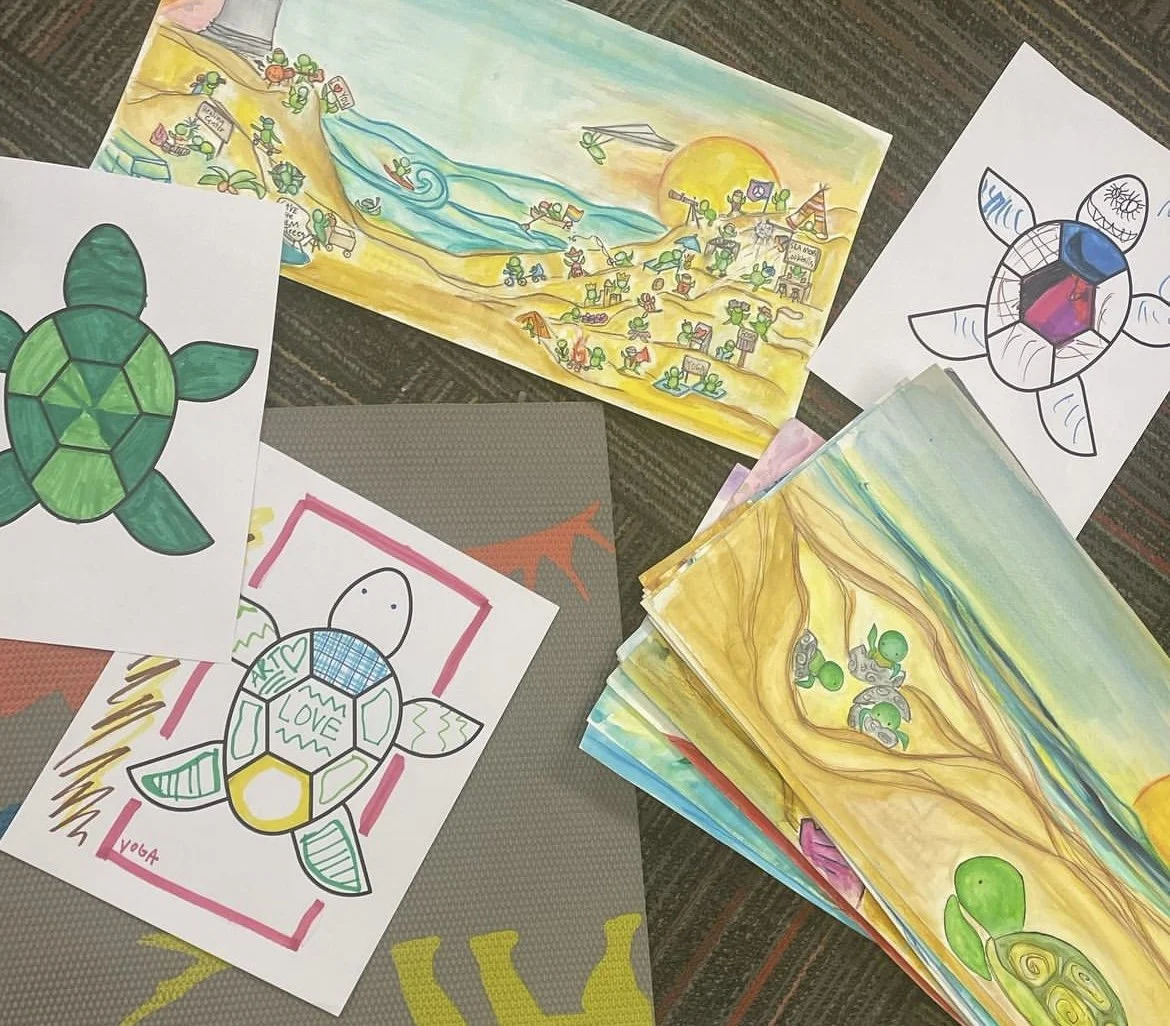
The Turtle Shell Activity is a creative expression and coping activity, where children can create personalized turtle shells decorated with the things that make them unique—such as talents, hobbies, and qualities. This activity fosters self-expression and identity exploration, making great for social workers in foster care, teachers with transient students, and anyone who works closely with children.

CAREGIVER RESOURCES
Transitions can be challenging for children, whether it's moving to a new home, starting a new school, or experiencing a major life change. There are valuable resources you can utilize to help your child navigate these transitions and cope with the associated stress. By utilizing these resources, you can provide the support and guidance your child needs to cope with transitions and navigate new experiences successfully. Remember to be patient and understanding, as every child adapts at their own pace.
1. Prepare the child:
- Discuss the upcoming transition with your child in an age-appropriate manner.
- Provide information about what to expect, such as visiting the new school or neighborhood.
- Share stories or books that address similar transitions to help them understand and feel prepared.
2. Keep connected with people that were important:
- Encourage your child to stay connected with friends or family members who may not be physically present.
- Set up regular pen pal exchanges, Facetime calls, or video chats to maintain connections.
3. Validate feelings:
- Listen attentively to your child's emotions and acknowledge their concerns.
- Offer empathy and understanding, reassuring them that it's normal to feel a range of emotions during transitions.
4. Check-in with emotions:
- Engage in open conversations about how your child is feeling throughout the transition.
- Encourage them to express their emotions and validate their experiences.
5. Keep routines and traditions:
- Maintain familiar routines as much as possible to provide stability and a sense of familiarity.
- Preserve important family traditions to create a sense of continuity and comfort.
6. Schedule:
- Establish a structured schedule to help your child feel more in control and aware of their daily activities.
- Include time for relaxation, play, and engaging in activities they enjoy.
7. Sense of control:
- Involve your child in decision-making processes related to the transition, empowering them to have a sense of control over their circumstances.
- Encourage them to make choices about their new environment, such as decorating their room or joining extracurricular activities.
8. Confidence building to make new friends and connections:
- Help your child develop social skills by role-playing social interactions and providing guidance on making new friends.
- Encourage participation in group activities, clubs, or sports where they can meet peers with similar interests.